Why Southern Restaurant Pittsburgh, PA Is Perfect for Comfort Food Cravings
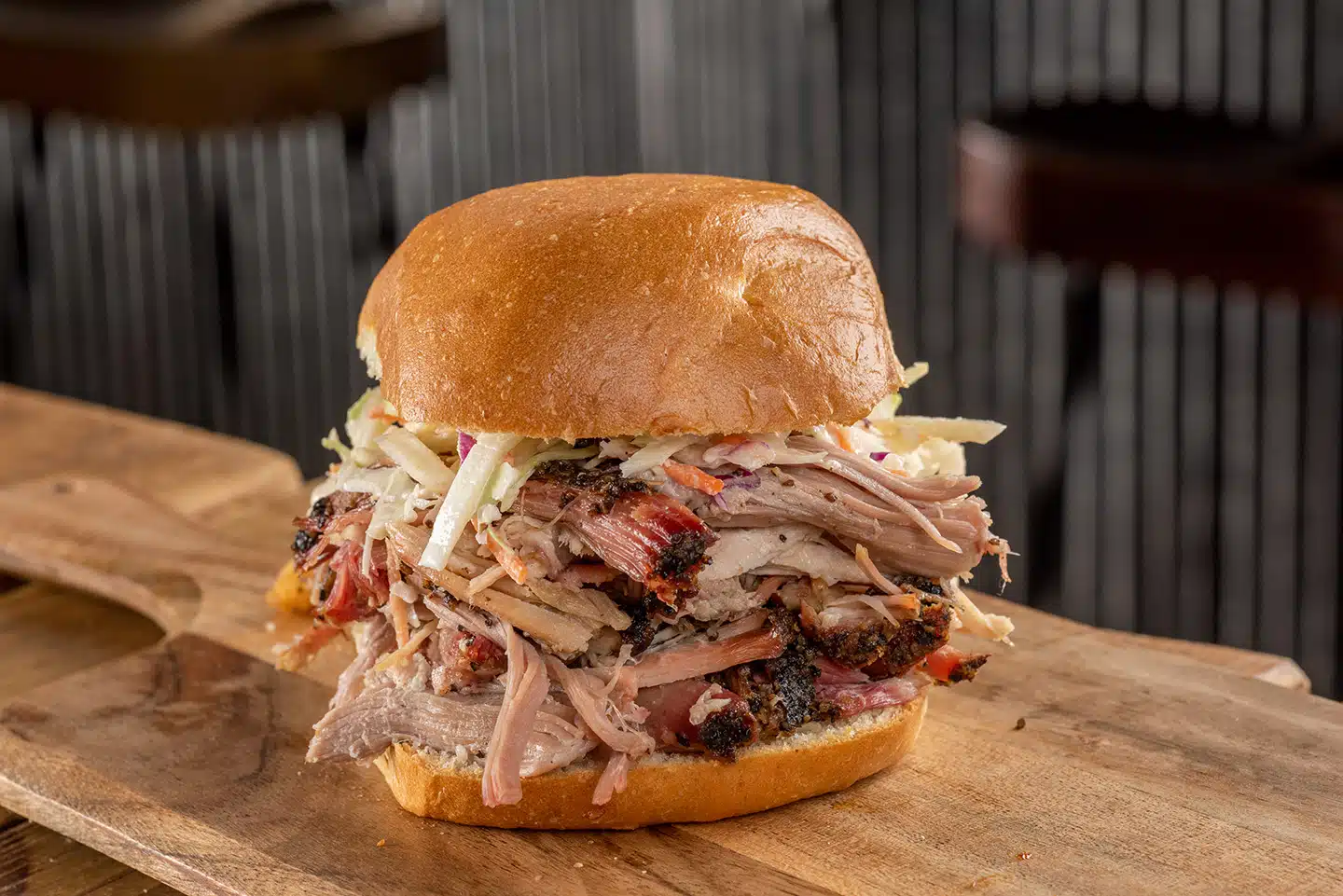

There are meals you admire, and there are meals you lean into. Comfort food belongs to the second category. It does not ask for analysis before the first bite. It arrives hot, fragrant, generous, and familiar enough to quiet the noise of the day. That is exactly why a great southern restaurant Pittsburgh, PA diners can count on has such a strong pull. Southern cooking is built on patience, seasoning, texture, and hospitality. When it is done well, it satisfies more than hunger.
Pittsburgh is an especially good city for this kind of food. It has always had a practical appetite. People here appreciate dishes with backbone, meals that feel earned, and restaurants that understand the value of generosity. Southern cooking fits naturally into that local sensibility. The city has plenty of sleek dining rooms and chef-driven menus, but comfort food cravings rarely call for tiny portions or abstract plating. They call for fried chicken with a crust that shatters. They call for mac and cheese that arrives bubbling at the edges. They call for biscuits that release steam when you break them open.
The appeal goes deeper than richness or nostalgia. Southern food, at its best, is balanced food. Good cooks know that fat needs acid, spice needs restraint, and indulgence works best when every component has a purpose. A plate of shrimp and grits should not feel heavy for the sake of heaviness. It should feel complete. The grits should be creamy but not pasty. The shrimp should taste like shrimp, not just seasoning. A touch of heat should wake up the dish rather than bury it. That kind of cooking takes skill, and it is one reason the right Southern restaurant can satisfy a craving more fully than a quick diner stop or another round of takeout burgers.
Comfort food works because it understands what people actually want
A lot of restaurants talk about experience. Comfort food restaurants understand need. Sometimes people want celebration food, but more often they want food that helps them reset. After a long workweek, a cold evening, a stressful family day, or a string of forgettable lunches, Southern cooking makes immediate sense. It is grounding.
Part of that comes from the structure of the cuisine itself. Southern menus tend to layer pleasure in smart, recognizable ways. There is usually something crisp, something creamy, something savory, something sweet, and often a little tang or heat to keep the plate moving. Think about chicken and waffles done properly. You get crackling skin, juicy meat, a soft interior crumb in the waffle, butter, syrup, and often a spicy note in the batter or seasoning. The dish keeps changing as you eat it. That prevents the richness from becoming monotonous.
The same is true for collard greens cooked with depth, black-eyed peas seasoned beyond bland utility, or cornbread that balances sweetness and structure. These are not filler sides. In the strongest Southern kitchens, side dishes carry as much identity as the entrees. That matters when someone is chasing comfort, because comfort often comes from abundance and variety, not just portion size.
There is also an emotional intelligence to Southern cooking that people respond to immediately. It knows that texture matters. It knows a meal can feel nurturing without being delicate. It knows there is dignity in feeding people well. That last point often gets overlooked, but it is a major reason diners return. A restaurant can have good recipes and still miss the deeper appeal if the service feels rushed, cold, or transactional. The Southern tradition, even in modern urban settings, tends to center warmth. Not performative friendliness, real ease.
Why Pittsburgh is a natural home for Southern flavors
Pittsburgh has always rewarded food that feels honest. It is a city with working roots, serious winters, tight neighborhoods, and a dining culture that values both quality and substance. You can see it in the loyalty people show to neighborhood institutions. You can hear it in how often locals talk about where to get a dish, not just where to be seen. That makes the city fertile ground for Southern restaurants that put flavor and consistency first.
Cold weather plays a role too. There is a reason certain dishes hit harder between late October and early April. Braised meats, gravy, smoked sausage, buttery starches, stewed greens, and desserts served warm all make more sense when the air outside has an edge to it. Pittsburgh gets plenty of those days. Even in warmer months, the city’s pace and palate still leave room for food that feels restorative.
Another reason Southern food works here is that Pittsburgh diners are sharp about value. That does not always mean cheap. It means they want a meal to justify itself. If a plate costs more, it should taste like care, technique, and good ingredients. Southern cuisine can meet that standard because so much of it relies on labor and craft. Brining chicken, building gravies, slow-cooking beans, smoking meats, baking biscuits, and making desserts from scratch are time-intensive jobs. When those steps are visible in the final dish, people recognize it.
A well-run southern restaurant Pittsburgh, PA residents recommend often succeeds because it combines all of these traits. It feels welcoming without being sloppy. It serves generous portions without using excess as a substitute for quality. It respects tradition while adapting to the expectations of a city that has grown more diverse and adventurous in its eating habits.
The dishes that define a real comfort-food destination
Some cuisines can lean on novelty. Southern comfort food cannot. Diners have a clear idea of what they want, and they notice quickly when a kitchen cuts corners. The details matter.
Fried chicken is a useful test. If the crust slides off, the seasoning stops at the surface, or the meat is dry, the whole illusion collapses. Good fried chicken takes planning. The best versions are seasoned beyond the breading, fried at a temperature that protects moisture, and served quickly enough that the crust stays crisp. You do not need a secret recipe to taste the difference between chicken made by someone who understands the process and chicken made by someone following a trend.
Mac and cheese presents a different challenge. It sounds simple, but it exposes weak technique faster than many diners realize. Sauce can split. Pasta can overcook. Cheese blends can turn greasy or chalky. The memorable versions have body, not gluey thickness. They cling to the noodles, brown slightly on top if baked, and taste of real cheese rather than salt and dairy fat alone.
Shrimp and grits often separate average Southern restaurants from serious ones. Grits should be smooth and fully cooked, not granular and rushed. The shrimp need careful timing because overcooked shrimp go rubbery in seconds. Then there is the sauce. Some kitchens go smoky with bacon or andouille. Others lean into butter, garlic, stock, and a little heat. There is room for variation, but not for imbalance. If the grits are bland or the sauce overwhelms the shellfish, the dish loses its center.
Biscuits deserve their own respect. People like to call anything breadlike a biscuit, but a proper biscuit has a short, layered tenderness that only comes from restraint. Overmixing toughens it. Too much flour dries it out. Too little fat leaves it flat. When biscuits arrive hot and fragrant, with butter melting into the cracks, they change the mood of a table almost immediately.
Dessert matters too, perhaps more than many chefs admit. Banana pudding, bread pudding, peach cobbler, or pecan pie are not afterthoughts in a Southern meal. They complete the logic of the cuisine. A comfort-food restaurant that neglects dessert often misunderstands its own appeal.
Hospitality is part of the craving
People often talk about Southern food as if the craving begins and ends with flavor. In practice, service has a lot to do with it. A restaurant can make good food and still fail the comfort-food test if the room feels tense or indifferent. Southern dining traditions, whether in a family-run casual spot or a more polished restaurant, usually place real weight on hospitality. You should feel welcomed, not processed.
That can show up in small ways. Servers who know which sides pair well with a dish. Staff who tell you, honestly, when the kitchen is out of its best pie for the night. Water glasses that get refilled before anyone has to flag someone down. Food that arrives paced for eating rather than table turnover. These are not luxuries. They are signals that the restaurant understands why guests are there.
I have seen diners forgive a delayed entree if the communication was straightforward and the room stayed warm. I have also seen technically solid meals fall flat because the service made guests feel like an inconvenience. Comfort food is uniquely sensitive to atmosphere because people order it when they want relief. If the restaurant adds friction, it undercuts the entire reason for going.
Pittsburgh diners, in my experience, notice this acutely. It is a city that values sincerity. Forced charm does not land here for long. Genuine attentiveness does.
Southern food is indulgent, but it is not one-note
One misconception about Southern cuisine is that every plate is heavy in the same way. Anyone who has spent real time eating across the South knows that is not true. Good Southern cooking uses contrast constantly. Pickled vegetables cut richness. Pepper vinegar brightens greens. Hot sauce sharpens fried food. Lemon, buttermilk, herbs, onions, and smoke all help distribute weight across a meal.
That is why comfort food cravings are often better served by Southern menus than by generic pub fare. A burger and fries can satisfy a very specific urge, but the flavor profile tends to stay in one lane. A Southern plate often gives you more movement. Crispy catfish with slaw, red beans with rice, cornbread with honey butter, or smothered pork chops with greens can feel indulgent while still offering variation in each bite.
This matters for groups too. One reason Southern restaurants do well for family dinners, casual celebrations, and weekend gatherings is that the food is broadly appealing without being boring. Someone who wants spice can find it. Someone who wants something familiar can order confidently. Someone who cares about vegetables can usually build a meal around substantial sides rather than an apologetic house salad.
There are trade-offs, of course. Not every Southern dish is light, and not every craving calls for a butter-rich plate. But that is part of what makes the cuisine satisfying. It is honest about pleasure. It does not pretend comfort can be achieved through austerity.
The role of time, technique, and ingredients
A lot of comfort food looks simple on the plate. Behind the scenes, it usually is not. Southern cooking rewards kitchens that respect process. Brines need time. Greens need simmering. Stocks need reduction. Desserts need proper cooling and texture control. Meats often need either slow cooking or careful frying. Sauces that appear effortless usually come from repetition and discipline.
That labor is one reason a high-quality Southern restaurant can feel so rewarding. Diners are tasting hours, not minutes. Even something as humble as gravy demands attention. If the roux is undercooked, it tastes floury. If the seasoning is timid, it tastes flat. If the fat balance is off, the texture feels greasy rather than velvety. None of those errors are dramatic in isolation, but together they make a meal forgettable.
Ingredient quality matters just as much. Greens need to be fresh enough to retain character after cooking. Cornmeal should contribute flavor, not just texture. Chicken quality shows up quickly in both moisture and taste. Seafood, especially in inland markets, must be handled carefully if a restaurant wants shrimp, catfish, or oysters to earn repeat business. You cannot hide mediocre ingredients for long in a cuisine people know intimately.
That is why the best Southern restaurants tend to be selective rather than sprawling. A menu does not need twenty entrees if ten are executed well. In fact, tighter menus often signal better judgment. The kitchen can focus, prep becomes more consistent, and regulars know what the restaurant stands behind.
Why cravings often lead people back to the same place
Comfort food is deeply tied to memory, which makes consistency unusually important. Diners will try a trendy special once, but they return for dishes they trust. If someone has had excellent fried green tomatoes, biscuits and gravy, or smoked wings at a restaurant, they want that same experience again. Not approximately the same, the same.
This is where many restaurants struggle. The first visit benefits from novelty. The second and third visits test standards. Is the seasoning still right on a busy Saturday? Are the sides still hot at peak dinner hour? Is the cornbread still moist at the end of the night? Guests may not phrase their reactions in technical terms, but they register every detail.
Southern restaurants that build loyal followings usually understand this better than most. They know they are not only serving dinner. They are meeting an expectation shaped by memory and mood. When someone chooses comfort food, there is often a private reason behind it. Maybe they had a rough week. Maybe they are homesick. Maybe they want a meal that feels communal and steady. Reliability becomes part of the service.
That is also why atmosphere can matter as much as decor. The best comfort-food restaurants do not need to look elaborate. They need to feel settled. Tables should be comfortable enough for lingering. Music should support the room rather than dominate it. Lighting should flatter food and faces. Even takeout operations benefit from this logic. Packaging that keeps fried foods crisp and sauces contained shows respect for the meal after it leaves the kitchen.
Southern food meets modern expectations surprisingly well
Some people still think of Southern restaurants as old-fashioned in a limiting sense. The stronger ones are anything but static. They can honor classic flavors while adapting to current dining habits. That might mean offering brunch that balances sweet and savory without falling into gimmicks. It might mean handling spice more thoughtfully, improving vegetarian side options, or serving cocktails that actually complement the food rather than compete with it.
Brunch, especially, has become a major stage for Southern cooking in cities like Pittsburgh. Chicken and waffles, shrimp and grits, biscuits with sausage gravy, pimento cheese, and griddled cornbread all fit naturally into late-morning dining. They also pair well with the social rhythm of brunch, which tends to be slower and more communal than a quick weekday lunch. Southern food understands that pace instinctively.
Takeout and delivery have changed the equation too. Some Southern dishes travel very well, smoked meats, braised dishes, mac and cheese, beans, cobblers. Others, especially fried foods, demand better packaging and tighter timing. Restaurants that handle this well earn trust quickly because comfort food is one of the most common categories people order in. If a southern restaurant Pittsburgh, PA https://troyholt731.slatecurrent.com/posts/southern-restaurant-pittsburgh-pa-best-choices-for-authentic-flavor locals rely on can send out a meal that still feels complete at home, it extends the comfort beyond the dining room.
What to notice when choosing the right Southern restaurant
You can often tell within minutes whether a Southern restaurant understands comfort food or merely borrows its language. Start with the room. Does it feel relaxed in a confident way, or careless? Then look at the menu. Is it focused enough that the kitchen can execute it, or packed with every Southern dish anyone has ever heard of? Breadth can be tempting, but range without control is a warning sign.
Listen to how staff talk about the food. People who know the menu can explain the difference between baked mac and cheese and a stovetop version, or tell you whether the greens are smoky, spicy, or mild. That fluency matters. So does what arrives at nearby tables. If the fried items look pale, if gravy sits like paste, or if every plate seems overloaded without proportion, the kitchen may be chasing quantity over craft.
Pay attention to the sides. This is one of the best shortcuts I know. In serious Southern cooking, sides are not decoration. If the green beans taste canned, the potato salad is refrigerator-cold and lifeless, or the cornbread seems like an afterthought, expectations should drop across the board. On the other hand, when the sides are excellent, it usually means the kitchen has discipline.
The final clue is simple: how you feel halfway through the meal. Good comfort food satisfies early but keeps you interested. It should be rich, yes, but not deadening. You should still want the next bite. That balance is what separates food that merely fills you from food that genuinely comforts you.
Why the craving keeps winning
Comfort food cravings are stubborn because they are rarely random. They usually show up when people want familiarity, reward, warmth, and a little generosity from the world. Southern cooking answers that need with unusual confidence. It offers strong flavors, careful textures, and a style of hospitality that makes the meal feel personal. In a city like Pittsburgh, where diners appreciate substance and sincerity, that combination lands especially well.
A great Southern restaurant does not need to reinvent anything to matter. It only needs to execute with care, welcome people properly, and understand that comfort is a craft. When that happens, the craving makes perfect sense. You are not just looking for something filling. You are looking for food that settles you, lifts the evening, and tastes like someone meant it.
That is why a strong southern restaurant Pittsburgh, PA diners trust keeps earning return visits. The appeal is immediate, but it is not shallow. Beneath the fried crust, the creamy grits, the buttery biscuits, and the slow-cooked greens is something more durable, a meal that knows exactly what it is for.
Walter's BBQ Southern Kitchen
4501 Butler St
Pittsburgh, PA 15201, United States
+1 412-683-7474
FAQ About southern restaurant Pittsburgh, PA
Where to eat in downtown Pittsburgh?
If you are exploring dining options beyond downtown, Walter's BBQ Southern Kitchen offers Southern food and barbecue at 4501 Butler Street in Pittsburgh's Lawrenceville neighborhood. It is outside downtown, so allow travel time when planning your visit.
What is a must eat in Pittsburgh?
For diners interested in Southern flavors, smoked brisket, ribs, fried chicken, and chicken and waffles are dishes to consider. Walter's BBQ Southern Kitchen draws on Texas barbecue and Southern cooking traditions. Check the current menu for the dishes available during your visit.
What are some of Pittsburgh's unique restaurants?
Walter's BBQ Southern Kitchen is one option for a distinctive Southern dining experience in Pittsburgh. Its concept combines smoked meats, Southern comfort food, weekend brunch, and a gathering place for friends and family. The restaurant is located on Butler Street in Lawrenceville.