Southern Restaurant Pittsburgh, PA: The Ultimate Comfort Food Destination
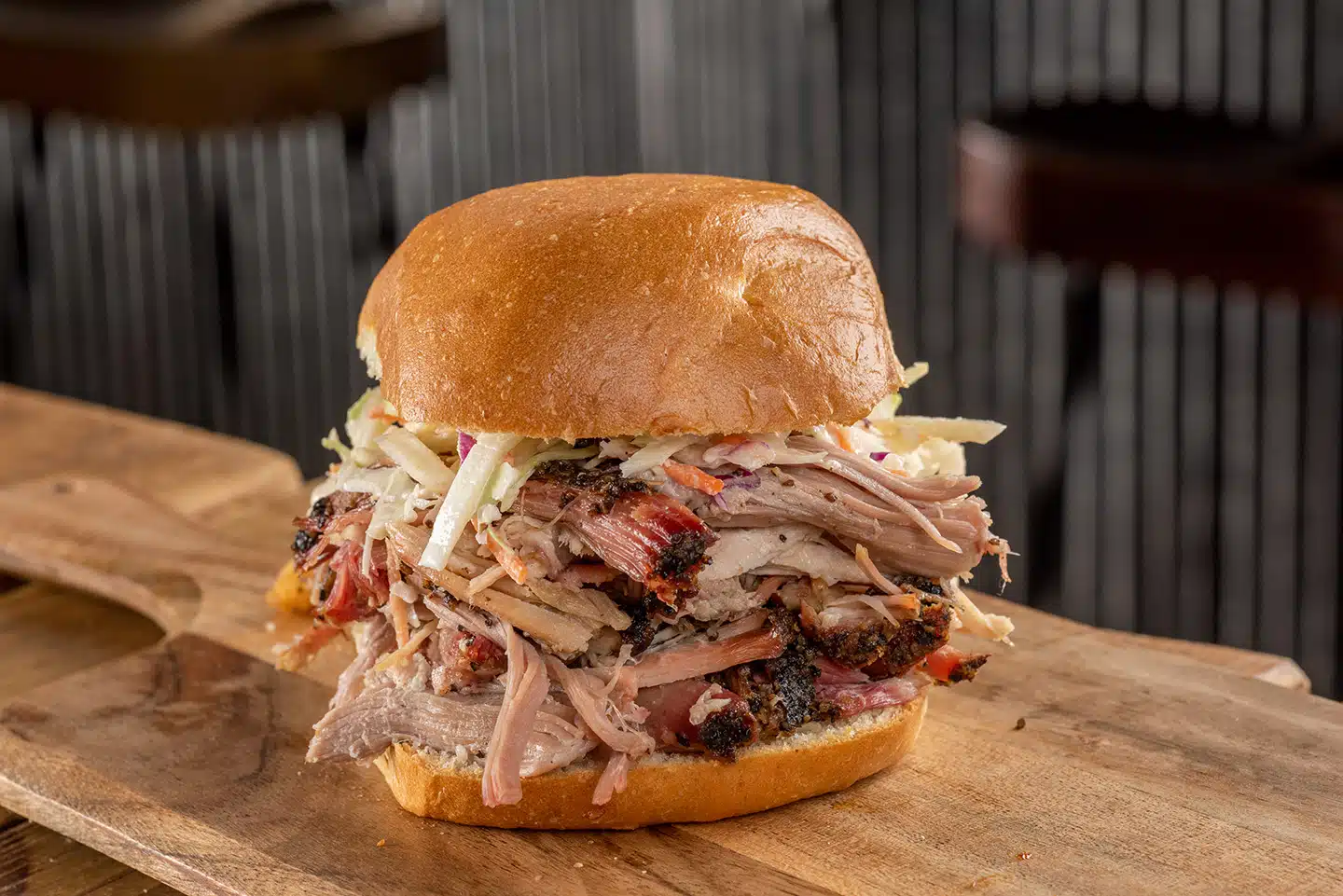
There are meals you eat because you are hungry, and there are meals you seek out because they settle something deeper. Southern food belongs firmly in the second category. It is generous, tactile, and unapologetically comforting. When it is done well, every plate feels intentional, from the crisp edge on fried chicken to the patient simmer behind collard greens, from the butter-rich tenderness of biscuits to the sweet smoke that lingers around a good piece of barbecue.
That is why the search for a great southern restaurant Pittsburgh, PA is not really about novelty. It is about trust. Diners want food with backbone, food that tastes like somebody cared about seasoning it properly, cooking it long enough, and serving it hot. In a city better known nationally for pierogies, sandwiches, and old-school tavern fare, Southern cooking has carved out a meaningful place because Pittsburgh understands hearty food. It understands cold weather, working appetites, and the kind of restaurant meal that leaves the table quieter than it was when everyone sat down.
Southern food also fits Pittsburgh’s personality more naturally than some outsiders expect. This is a city with neighborhood loyalties, strong family traditions, and an appreciation for places that do not need to perform sophistication to be worth returning to. A good Southern kitchen speaks that language.
Why Southern food works so well in Pittsburgh
Pittsburgh has always rewarded restaurants that offer substance. Diners here tend to notice when portions feel skimpy, when seasoning is timid, or when style takes precedence over flavor. Southern cooking, at its best, avoids all three mistakes. It delivers richness, patience, and clarity. The food is often layered rather than flashy. A plate of shrimp and grits can look simple, but anyone who has cooked it knows how much can go wrong. Grits can tighten or turn bland. Shrimp can overcook in a minute. The sauce can swamp the dish instead of tying it together. Good Southern restaurants know where the line is.
That matters in Pittsburgh, where the dining public is broad. You have professionals looking for a polished brunch, families who want a reliable dinner out, students chasing value, and older regulars who can tell instantly whether a side dish came from a steam pan or a stove. Southern menus can appeal to all of them because they offer familiar forms with room for craft. Fried catfish, mac and cheese, biscuits, greens, wings, cornbread, and peach cobbler each seem straightforward. None of them are easy to make memorable.
There is also a practical reason Southern cuisine resonates here. Pittsburgh’s climate invites comfort food for much of the year. From late fall through early spring, a meal built around braised meats, gravies, smoked proteins, and warm starches feels right. Even in summer, Southern food adapts well. Barbecue, fried green tomatoes, pimento cheese, sweet tea, and lighter seafood dishes carry the same hospitality without weighing everything down.
What separates a serious Southern kitchen from a themed one
Many restaurants can decorate a room with reclaimed wood, mason jars, and a chalkboard menu. Far fewer can cook Southern food with confidence. The difference usually shows up before the entrée lands.
Start with the aroma. In a real Southern kitchen, you smell things that take time. You might catch smoke, onion, black pepper, hot oil, roux, or pork seasoning greens. Nothing smells generic. Then look at the table itself. Biscuits should not arrive pale and forgettable. Cornbread should not feel like afterthought cake. Sauces should not be one-note sweet. Good Southern cooking balances salt, heat, acid, and fat more carefully than people assume.
Texture is often the giveaway. Fried chicken should crackle, not slump under a thick shell of batter. Grits should be creamy, not grainy or gluey. Collard greens should keep some life in them, even after long cooking. Banana pudding should hold structure while still feeling soft and nostalgic. These are small things, but they matter because Southern food can quickly become heavy, muddy, or monotonous if the kitchen lacks discipline.
A restaurant that takes the cuisine seriously also shows respect to side dishes. In weaker operations, sides function as plate fillers. In stronger ones, they are part of the identity. I have seen diners remember the beans or the yams more vividly than the main course, and honestly, that is a good sign. It usually means the kitchen understands that Southern food is built from the whole plate, not just the protein in the center.
The dishes people judge first
When diners try a new Southern spot, there are certain plates that reveal almost everything about the kitchen. You do not need to order all of them, but one or two can tell you whether the restaurant has depth or is relying on atmosphere.
- Fried chicken, because the seasoning, breading, and timing all have to align.
- Biscuits, because they expose whether the kitchen values freshness and technique.
- Mac and cheese, because texture and cheese balance are harder than they look.
- Collard greens, because they show whether the cooks understand long flavor development.
- Shrimp and grits, because the dish demands precision from both pantry and line.
These are not the only foods that matter, but they are revealing. If the fried chicken lacks seasoning under the crust, that usually signals a broader problem. If the biscuits are dense and dry, the pastry side of the kitchen may be careless. If the greens taste flat, somebody is rushing processes that cannot be rushed.
The emotional pull of comfort food done right
Southern food is often called comfort food, but that phrase can flatten what makes it special. Comfort is not just about richness. It is about recognition. A great Southern meal feels complete in a way that is hard to fake. There is usually a contrast of temperatures, textures, and flavors. Something crunchy meets something soft. Something smoky meets something sweet. Pickles or vinegar cut through fat. Hot sauce wakes up a creamy side. Dessert arrives with enough sweetness to satisfy, but the best versions never feel careless.
That layered experience matters, especially in a city like Pittsburgh where eating out often carries social weight. People go to dinner to celebrate job changes, reconnect with relatives, or get through the kind of week that deserves reward. Southern food suits those occasions because it is communal by nature. Even when you order individually, the table starts negotiating bites. Somebody wants to taste the cornbread. Somebody else is eyeing the fried okra. No one keeps their spoon out of the banana pudding for long.
There is also something grounding about it. Fine dining can impress. Fast casual can solve a schedule problem. Southern food can actually change the mood in the room. That sounds dramatic until you watch a tense table relax after the first basket of biscuits lands.
Brunch is where many Southern restaurants prove themselves
Dinner gets most of the attention, but brunch is often the real stress test for a Southern restaurant in Pittsburgh, PA. Brunch demands range. The kitchen has to handle eggs, griddled items, fried Southern BBQ Pittsburgh food, baked goods, and often a crowd that wants both speed and indulgence. It is easy to hide weaknesses at dinner behind darker lighting and slower pacing. Brunch exposes everything.
Chicken and waffles are the obvious benchmark, but they are often mishandled. The waffle must hold crispness without turning tough. The chicken has to stay crunchy even with syrup in play. Too much sweetness and the dish collapses into dessert. Too little seasoning and it becomes forgettable. The best versions understand tension. Sweet, salty, buttery, spicy, and crisp all show up at once.
Then there are shrimp and grits, biscuits with sausage gravy, French toast, and skillet dishes with eggs and potatoes. Each seems familiar, but familiarity raises expectations. Diners know exactly how these foods should make them feel. If a brunch menu gets these classics right, repeat visits follow.
In Pittsburgh, brunch also has a neighborhood component. People want a place where they can settle in after a walk, meet friends without being rushed, and order something satisfying enough to justify the weekend. Southern restaurants often do this better than trend-driven brunch spots because the food has built-in generosity.
Hospitality is part of the cuisine
One of the biggest mistakes people make when evaluating Southern restaurants is focusing only on the food. Service matters more here than in many other categories because hospitality is built into the identity of the cuisine. A Southern restaurant can be polished or casual, modern or traditional, but it should never feel cold.
That does not mean servers need to perform exaggerated friendliness. It means the room should feel looked after. Water gets refilled before it becomes a project. The timing of courses makes sense. Someone can explain the sides without sounding like they memorized copy ten minutes before the shift. If the restaurant offers house sauces or seasonal specials, staff should know why they matter and what pairs well.
This is especially important for guests who may be less familiar with Southern staples. Not everyone knows the difference between cornbread styles, or whether red beans are smoky, spicy, or mild. Not everyone understands how rich some plates can be. Good service gently guides without lecturing. It helps a table order well.
I have seen restaurants lose goodwill over a simple issue like pacing. Southern food is filling. If appetizers, mains, and sides all hit the table at once, people feel crowded and the meal turns chaotic. A smart restaurant understands how to stagger abundance.
Tradition versus interpretation
Pittsburgh diners tend to appreciate authenticity, but that word can become slippery around regional cuisine. Southern food is not one fixed thing. The South contains multiple culinary traditions shaped by geography, migration, agriculture, and African American foodways, among many other influences. So when a restaurant says it serves Southern food, the more useful question is not whether it is “authentic” in some vague marketing sense. The better question is what tradition it is drawing from, and whether it executes that tradition honestly.
A restaurant may lean into Lowcountry seafood, with shrimp, grits, rice-based dishes, and lighter coastal flavors. Another may focus on fried chicken, biscuits, greens, and gravy-heavy comfort classics. Another may center barbecue and smoked meats. A more contemporary kitchen may borrow Southern foundations while adjusting presentation, sourcing, or technique for a modern audience.
None of these approaches is automatically better. The problem starts when interpretation outruns understanding. If a chef wants to refine shrimp and grits, fine. But the grits still have to taste like something. If a restaurant presents elevated fried chicken on artisan china, fine. But the crust still has to shatter. Southern food forgives many aesthetic choices. It does not forgive weak flavor.
What to order if you are visiting for the first time
A first visit to a Southern restaurant should tell you who the kitchen is, not just what you personally crave. That means building a meal that gives some range. If you go with a group, this gets easier because you can spread the risk and sample more broadly. If you are alone or with one other person, choose a main and one or two revealing extras.
A balanced first order usually includes one fried item, one slow-cooked side, and one bread or starch the house takes seriously. That might mean fried chicken with collard greens and biscuits. It could mean catfish with mac and cheese and cornbread. At brunch, it might be shrimp and grits plus a biscuit on the side. This approach lets you see whether the restaurant handles fat, seasoning, moisture, and texture well across different preparations.
Dessert is worth ordering when the savory side has been strong. Southern dessert menus often look familiar, but this is another place where restaurants show discipline. Cobbler, bread pudding, pecan pie, banana pudding, and layer cake all depend on restraint as much as sweetness. A good dessert finishes the meal warmly. A clumsy one feels like the kitchen lost focus at the end.
Common disappointments, and how good restaurants avoid them
Not every Southern meal lands. The most common failures are surprisingly consistent, and they are usually avoidable.
- Over-salting smoked or cured components, which can flatten the entire plate.
- Letting fried foods sit too long, which kills texture within minutes.
- Making every side overly rich, so the meal turns heavy instead of satisfying.
- Relying on sugar where spice, acid, or smoke should carry the flavor.
- Treating service as casual in the careless sense, rather than genuinely welcoming.
The strongest Southern restaurants solve these problems through restraint and timing. They know that not every side needs cheese or cream. They know that hot food has a short runway from kitchen to table. They know acidity matters, whether it comes from pickles, vinegar, mustard sauce, or pepper vinegar on greens. Most of all, they understand that comfort food still needs structure. Abundance is not the same as excess.
The Pittsburgh factor: local expectations and neighborhood dining
What makes the Southern dining experience interesting in Pittsburgh is how it adapts to local habits without losing identity. Pittsburgh diners appreciate value, but that does not always mean low prices. It often means feeling that the meal was worth what it cost. A plate that arrives hot, generous, and well-executed will generally earn more loyalty than a trendier concept built around sparse portions and social media lighting.
Neighborhood context matters too. In some parts of the city, a Southern restaurant thrives as a casual weeknight standby, the kind of place where families know what they like and reorder it every time. In other areas, the same cuisine may present in a more polished format, with a brunch crowd, cocktails, and a menu that nods to Southern tradition while broadening the appeal. Pittsburgh can support both styles, but only if the food remains rooted.
Seasonality also plays a role. During football weekends, holiday gatherings, and colder months, Southern comfort food naturally gains traction. Catering and takeout become part of the conversation. Fried chicken travels fairly well if packed correctly. Biscuits can hold up. Braised sides often reheat better than more delicate dishes. Restaurants that understand this can become part of household routines, not just destination dinners.
Drinks matter more than people think
A thoughtful beverage program can elevate a Southern meal, even in a casual room. Sweet tea is the obvious icon, but its quality is revealing. It should taste brewed, not syruped. Lemonade should be bright rather than flat. Coffee at brunch needs to be strong enough to stand next to rich food.
Cocktails, when offered, should support the menu rather than overpower it. Bourbon drinks, lighter whiskey pours, citrus-forward highballs, and fruit-driven seasonal cocktails usually work well. Beer matters too, especially with fried food and barbecue. In Pittsburgh, where local brewing culture is strong, pairing Southern cooking with regional beer can feel like a natural bridge between traditions.
The best drinks refresh. That sounds simple, but rich food needs relief. A tart cocktail, unsweetened iced tea, sparkling water, or crisp lager can make a heavy meal feel balanced. Restaurants that ignore this miss an easy opportunity to improve the experience.
Why the best Southern spots become regular places
A truly good southern restaurant Pittsburgh, PA does not stay a special-occasion secret for long. It becomes a repeat destination because Southern food rewards familiarity. Once people find a place that gets the basics right, they start building rituals around it. Maybe it is Sunday brunch after church. Maybe it is takeout fried chicken on a rainy weeknight. Maybe it is the restaurant chosen whenever out-of-town family visits, because nobody has to be convinced.
That kind of loyalty cannot be bought with branding alone. It comes from consistency. The biscuit has to be just as good on a busy Saturday as it was on a quiet Wednesday. The greens have to keep their depth. The service has to stay composed when the dining room fills up. Restaurants in this category often develop a rhythm with their guests. Regulars know the menu, servers recognize preferences, and the kitchen earns a little trust with every solid plate.
There is a broader lesson in that. Southern food, maybe more than any other American dining category, depends on repetition and care. It asks restaurants to do common things exceptionally well, over and over again. That is harder than inventing a flashy special. It is also more meaningful.
The comfort people come back for
The real draw of Southern dining is not nostalgia alone, even though nostalgia plays a role. It is the sense that the meal understands what people want from going out to eat. They want generosity without sloppiness. Familiarity without boredom. Richness with balance. Warmth that feels earned.
Pittsburgh is a strong city for that kind of restaurant because its diners still value substance. They notice effort. They reward consistency. They talk about the places that feed people properly. For anyone looking for a memorable southern restaurant Pittsburgh, PA, that is good news. It means the standard is not built on trend. It is built on whether the food comforts, whether the hospitality feels real, and whether the table leaves happier than it arrived.
When those pieces come together, Southern food stops being just another dinner option. It becomes the place people think of first when they need something reliable, celebratory, or simply satisfying. That is what the best comfort food destinations do. They make themselves useful to real life, one hot plate at a time.
Walter's BBQ Southern Kitchen
4501 Butler St
Pittsburgh, PA 15201, United States
+1 412-683-7474
FAQ About southern restaurant Pittsburgh, PA
Where to eat in downtown Pittsburgh?
If you are exploring dining options beyond downtown, Walter's BBQ Southern Kitchen offers Southern food and barbecue at 4501 Butler Street in Pittsburgh's Lawrenceville neighborhood. It is outside downtown, so allow travel time when planning your visit.
What is a must eat in Pittsburgh?
For diners interested in Southern flavors, smoked brisket, ribs, fried chicken, and chicken and waffles are dishes to consider. Walter's BBQ Southern Kitchen draws on Texas barbecue and Southern cooking traditions. Check the current menu for the dishes available during your visit.
What are some of Pittsburgh's unique restaurants?
Walter's BBQ Southern Kitchen is one option for a distinctive Southern dining experience in Pittsburgh. Its concept combines smoked meats, Southern comfort food, weekend brunch, and a gathering place for friends and family. The restaurant is located on Butler Street in Lawrenceville.