Southern Restaurant Flavor Profiles You’ll Want to Savor

Walk into a good Southern restaurant and you can usually tell within a minute whether the kitchen understands its own food. You smell onion softening in fat before it browns. You catch pepper, not just heat but fragrance. Something sweet is nearby, though not necessarily dessert. There is smoke if the pit is running, vinegar if slaw is being dressed, and the unmistakable savory depth that comes from a pot that has been watched for hours rather than rushed for service.
Southern food gets flattened too often into a few clichés: fried chicken, biscuits, barbecue, pie. Those dishes matter, but the real story is flavor architecture. The South cooks with tension and balance. Richness is cut with acid. Salt is sharpened with black pepper and softened with butter. Heat is layered, not always loud. Sweetness shows up where people from outside the region do not expect it, in cornbread, glaze, braised greens, tea, Southern restaurant and pan sauces. Smoke can be a backbone or a whisper. The most memorable meals are rarely about one dominant note. They are about how several familiar notes land together.
That is what makes a Southern restaurant worth returning to. The best ones are not simply reproducing heritage recipes. They are translating a regional palate into dishes that still feel alive. Some lean deeply traditional, with gravies made from drippings and vegetables cooked low and patient. Others lighten the profile, brighten it with citrus, sharpen it with pickled elements, or pull in Gulf, Appalachian, Creole, Lowcountry, and Delta influences. Even then, the core remains recognizable. The food should taste hospitable, grounded, and complete.
The backbone: savory depth that starts long before the plate
If you have spent any time around Southern kitchens, you know that flavor begins before the first customer arrives. Stocks are built, not improvised. Beans are simmered with smoked meat or ham hock. Gravy gets its strength from the pan. Rice is not filler, it is a carrier for juices, gravies, étouffées, and pot likker. Onions, celery, and bell pepper form a base in many parts of the region, especially where Louisiana influence is strong. Elsewhere, the base may be as simple as onion in bacon fat.
That savory depth matters because Southern food often relies on humble ingredients. Greens, field peas, grits, cornmeal, okra, rice, chicken thighs, pork shoulder, catfish, and seasonal squash all need a thoughtful hand. The cuisine was shaped by thrift, adaptation, and agricultural reality. For that reason, seasoning is not ornamental. It is structural.
At a capable Southern restaurant, you can taste the difference between food that has merely been salted and food that has been developed. Macaroni and cheese should have more than dairy richness. It needs a little mustard bite, some caramelized edge from the oven, and enough seasoning to prevent the sauce from feeling flat. Red beans need a smoky undercurrent and a deep peppery finish. Braised cabbage should not taste watery or apologetic. It should carry sweetness from the vegetable itself, plus pork or butter, plus enough acid to wake it up.
One of the surest signs of confidence in a kitchen is restraint. Savory Southern cooking is not improved by drowning everything in garlic powder, sugar, or bottled smoke. Some cooks make that mistake because they confuse intensity with complexity. The best dishes build slowly and leave room for their ingredients to speak.
Smoke, char, and the patient hand of fire
Smoke is one of the great Southern signatures, but it behaves differently depending on the dish. In barbecue, smoke is a defining flavor. In collards, it might come from turkey neck or tasso. In deviled eggs served at a modern Southern restaurant, it may show up as smoked paprika or a whisper of smoked trout. Fire can harden, sweeten, or perfume, and Southern cooks have long known how to use each effect.
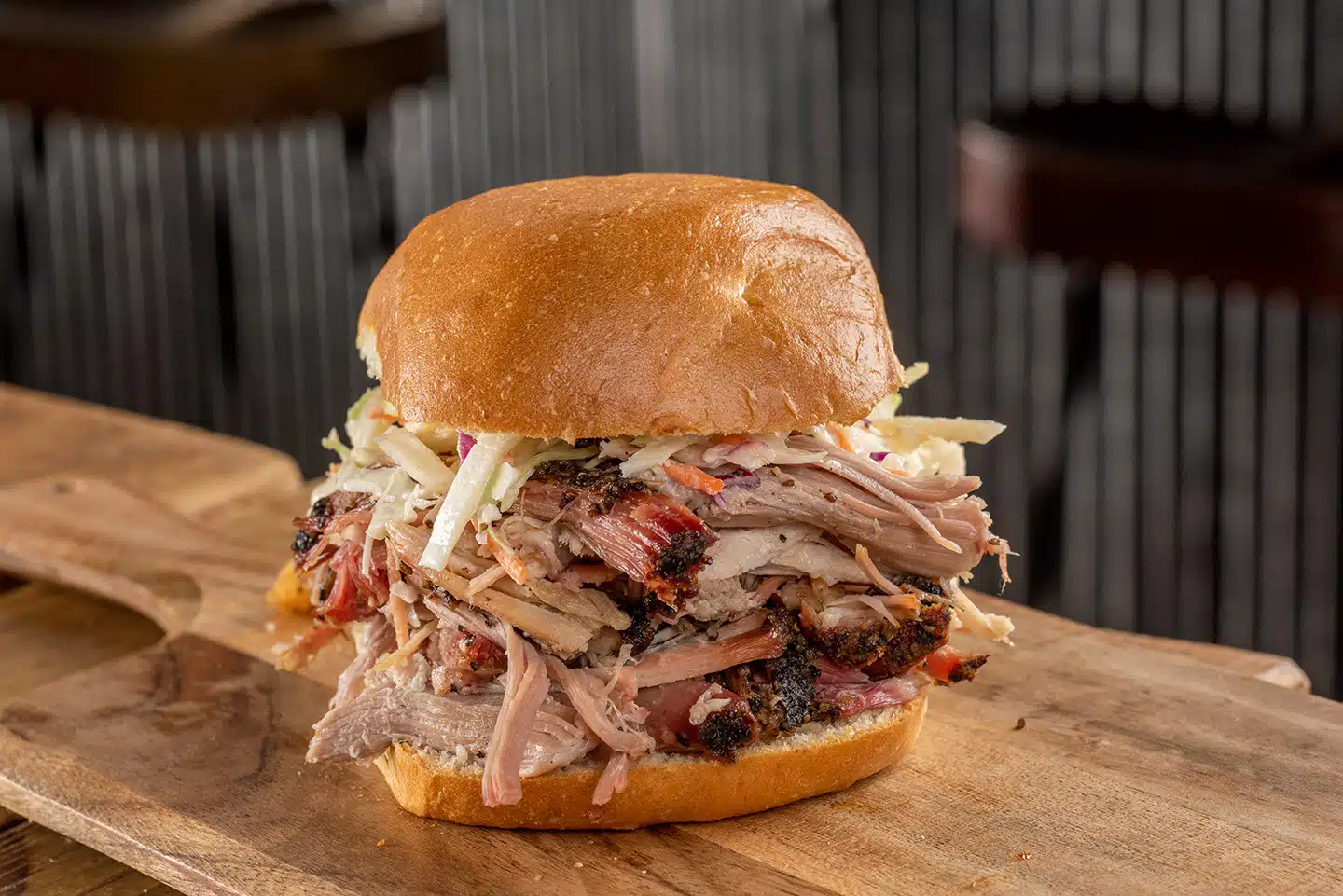
Barbecue is the obvious place to begin, though even there the region resists simplification. Pork shoulder cooked low and slow takes on smoke in a broad, rounded way, especially when the bark is properly formed and the rendered fat carries those notes through every shred. Ribs can be more direct, with smoke closer to the surface and a stronger contrast between bark and interior meat. Brisket, while more associated with Texas than the Deep South as a whole, still appears on many Southern menus and brings its own denser, beefier relationship to smoke.
Then there is char, which matters almost as much. Corn grilled in the husk develops a grassy sweetness that boiled corn never reaches. Charred okra avoids the slimy texture some diners fear and picks up a nutty edge that pairs beautifully with lemon or comeback sauce. Shrimp cooked over open flame gains a fast, clean smokiness that works especially well with butter, grits, or stone ground polenta.
A kitchen that understands smoke also understands when to pull back. Too much smoke can coat the palate and erase subtler notes. If every component on a plate has been kissed by oak or hickory, the meal gets tiring. Usually one element should carry the smoke while the others support or refresh it.
Sweetness where you may not expect it
People unfamiliar with Southern food sometimes underestimate how often sweetness appears outside dessert. That does not mean everything is sugary. It means Southern cooks historically used sweet notes to round bitterness, preserve fruit, balance salt, and celebrate abundance when it was available.
Cornbread is the argument everyone knows. In some regions it is firmly savory, in others it carries enough sugar to verge toward cake. A good Southern restaurant usually knows which lane it is in and commits. Problems start when a kitchen tries to please everybody and ends up making cornbread that tastes indecisive.
Sweetness also lives in barbecue sauce, but the style matters. A vinegar-forward whole hog plate from eastern North Carolina is going to read much brighter and sharper than sticky ribs brushed with a molasses-heavy glaze. Honey may appear in butter for biscuits. Sweet pickle relish may be folded into deviled eggs. Sweet onions may be cooked down beneath smothered pork chops. Candied yams obviously announce themselves, but so does the subtle sweetness of browned butter over roasted squash.
There is a practical side to this. Bitter greens become more generous with a touch of sweetness. Heat becomes friendlier when sweet notes meet it halfway. Salt becomes more dimensional when sweetness is present in the background. Think of pimento cheese with pepper jelly, or fried chicken with hot honey. These combinations are not gimmicks when handled well. They are examples of a Southern palate that likes contrast and knows how to make contrast comforting.
Acidity is the quiet hero
A lot of heavy restaurant food fails because it forgets acid. Southern cooking can look rich on the surface, and much of it is, but the best Southern restaurant menus almost always include something tart, pickled, peppery, or vinegared to keep the meal moving.
Slaw is a perfect example. Good slaw is not just a side item thrown on the plate to satisfy color balance. It is there to cut pork fat, cool spice, and add crunch. Depending on the region and the house style, that acidity might come from cider vinegar, yellow mustard, mayonnaise sharpened with lemon, or a fermented tang from buttermilk. Each version changes the meal.
Hot sauce plays a similar role. So do pickled green tomatoes, chow chow, pepper vinegar for greens, and a squeeze of lemon over fried catfish. In Louisiana-influenced kitchens, acidity may come through tomatoes in étouffée or in a remoulade with enough bite to lift fried seafood. In coastal settings, mignonette with raw oysters does work that no rich sauce could ever replace.
Acid is also one reason leftovers from a strong Southern restaurant often taste so good the next day. Braises and stews settle. Pepper opens up. Vinegar threads through the richness. Dishes become more integrated. If a kitchen seasons with acid from the start rather than trying to fix flatness at the end, the food tastes complete instead of corrected.
Pepper, spice, and the many forms of heat
When people say Southern food is spicy, they often mean one of several very different things. Black pepper is probably the most widespread. It appears in cream gravy, fried chicken dredge, greens, beans, sausage, and countless braises. It gives a woody, assertive heat that is not the same as chile burn. For many classic dishes, black pepper is the defining spice.
Then there are fresh chiles, dried chiles, cayenne, bottled hot sauce, and pepper relishes. Heat may arrive fast, as with cayenne in a breading, or slow, as with a pot of gumbo that blooms in the mouth after a few bites. Some Southern restaurant kitchens use heat to announce personality. Others treat it as punctuation.
The distinction matters because Southern food should not be one-note hot. Fried chicken with aggressive cayenne but no salt, no herbal note, and no crisp integrity is just loud. Pimento cheese that leans only on jalapeño without enough cheddar sharpness or pimento sweetness feels unfinished. Shrimp and grits need pepper, but they also need sweetness from shellfish, depth from stock or bacon, and richness from butter or cheese.
One of the smartest moves a chef can make is offering heat in layers. A dish may carry baseline pepper in the cooking process, then allow diners to add hot sauce, pepper vinegar, or chile oil to taste. That preserves balance while still honoring the Southern love of seasoning with conviction.
Regional accents that change the whole meal
There is no single Southern profile. The South contains many local identities, and a thoughtful Southern restaurant usually reflects one or Southern restaurant more of them with intention.
Lowcountry food tends to lean into rice, shellfish, benne, fresh herbs, and a cleaner coastal brightness. Louisiana cooking, whether Cajun or Creole influenced, often has a deeper roux-based body, stronger allium presence, and a more pronounced layering of spice. Appalachian cooking can feel earthier and more restrained, built around beans, greens, cornbread, apples, sorghum, country ham, and preserved foods. Delta cooking may push toward robust seasoning, catfish, tamales in certain communities, and the strong overlap of African American culinary traditions with local agriculture. Texas and Oklahoma edge into Southern conversations through smoked meats, gravies, and chicken-fried traditions, though their flavor profiles carry Western and Mexican influences as well.
This regional spread matters on the plate. A shrimp dish from Charleston may feel elegant and herbal, while one from New Orleans might arrive darker, saucier, and spicier. Biscuits in one place may be tall and delicate, in another more compact and sturdy. Greens may be vegetal and lightly sharpened, or they may be cooked until silk-soft with smoked meat leading every bite.
Diners notice when a restaurant blurs these distinctions carelessly. There is room for creativity, but it should come from understanding, not from tossing random Southern signifiers together. Bourbon glaze, pimento cheese, collards, shrimp, and biscuit crumbs on the same plate do not automatically create Southern identity. They can just as easily create confusion.
The fried spectrum, from delicate crust to shattering crunch
Frying is one of Southern cooking’s most misunderstood arts. Outsiders often reduce it to greasiness, but proper frying is about control: temperature, moisture, dredge, resting time, and seasoning. The result can range from light and fragile to craggy and deeply textured.
Fried green tomatoes should crackle lightly and preserve the bright acidity of the tomato. Fried catfish benefits from a cornmeal coating that brings grainy crunch and a faint sweetness. Chicken is its own universe. Some kitchens go for a relatively thin, even crust that hugs the meat and lets seasoning come through cleanly. Others favor a rugged crust with more protruding crisp bits that trap spice and create dramatic texture.
What separates excellent fried food from average is not just crispness. It is how the crust interacts with the interior. Chicken should remain juicy. Oysters should stay briny and tender. Okra should avoid sogginess. The seasoning should reach beyond the outer shell, whether through brining, marinating, or simply salting at the right moment.
I have noticed that many strong Southern restaurant kitchens treat fried items almost like composed dishes rather than standalone indulgences. The remoulade matters. The pickle matters. The herb garnish, if used, should not be decorative nonsense. Something acidic or fresh should make the next bite feel as welcome as the first.
Dairy, butter, and the softening power of richness
If smoke and acid are crucial, so is the Southern instinct for richness. Butter, cream, buttermilk, cheese, and rendered fat all play major roles, but the best kitchens know how to use them without making a diner feel weighed down by the second course.
Buttermilk may be the most versatile of the group. It tenderizes fried chicken, sharpens biscuits, and adds cultured tang to dressings and cakes. Butter enriches grits, sauces, and sautéed vegetables, but browned butter can also add nutty complexity where plain butter would taste blunt. Cheese enters in many forms, from sharp cheddar in pimento cheese to parmesan in modern spins on baked grits, though traditionalists will debate those additions with some energy.
Richness is not a flaw in Southern food. It is part of the pleasure. The issue is whether richness is balanced. Shrimp and grits can be luxurious without becoming heavy if the stock is bright, the shrimp are cooked properly, and the bowl is finished with herbs or lemon. Biscuits can be deeply buttery and still feel light if the dough is handled gently. Banana pudding, when made with restraint, tastes creamy and nostalgic rather than cloying.
The role of nostalgia, and why it can help or hurt
Flavor in a Southern restaurant is never only chemical. It is emotional. Many guests walk in carrying memories of a grandmother’s cornbread, a church supper, a roadside barbecue shack, or a holiday table where the mac and cheese had a specific browned top that nobody has quite duplicated since. That memory can be a gift to a restaurant or a burden.
The best kitchens respect nostalgia without becoming trapped by it. They know some dishes are powerful because they taste familiar. A bowl of chicken and dumplings should reassure. A wedge of chess pie should feel direct and honest. At the same time, professional kitchens have to serve consistently, source intelligently, and occasionally adapt. Not every old method scales well to restaurant volume. Not every inherited recipe accounts for modern produce, modern equipment, or modern diner expectations.
This is where judgment shows. A chef might keep the seasoning profile of a family green bean recipe while improving texture by cooking smaller batches. A restaurant may serve a more refined gumbo than many home versions, yet still preserve the dark roux and the layered spice that makes it recognizably Southern. These are not betrayals. They are signs of craft.
What to look for when reading a Southern restaurant menu
A menu can reveal a lot before the first dish hits the table. If you want to gauge whether a Southern restaurant truly understands its flavors, pay attention to signals of balance and care.
- Look for contrast, not just richness. A menu that offers pickled vegetables, slaws, relishes, citrus, or vinegary sauces is usually thinking clearly.
- Notice whether sides are treated seriously. Greens, beans, grits, and cornbread often tell you more than the headline entrées.
- Read how dishes are described. Specifics such as sorghum butter, smoked turkey braised collards, or stone ground grits suggest intention.
- Be wary of menus stacked with buzzwords but thin on detail. “Southern style” alone does not say much.
- If the menu includes regional cues, see whether they seem coherent rather than scattered for effect.
A side dish of collards can tell you as much about a kitchen as a rack of ribs. If the greens taste muddy, oversalted, or one-dimensional, the rest of the meal may struggle. If they are balanced, tender, and alive with pepper and pot likker, you are probably in good hands.
The desserts that complete the arc
Dessert in the South often follows the same logic as the savory meal. It embraces richness, certainly, but it also cares about tang, texture, and seasonality. Coconut cake should feel plush yet structured. Peach cobbler should preserve the fruit’s acidity rather than bury it under sugar. Pecan pie needs enough salt and bitterness from toasted nuts to offset its syrupy filling. Lemon icebox pie works because it cuts through everything that came before it.
Banana pudding is a revealing test. A strong version lets vanilla, dairy, banana, and wafer texture all register distinctly. A weak version turns into sweet beige mush. Bread pudding can swing the same way. Done well, it offers custard depth, caramelized edges, and perhaps whiskey sauce or fruit that adds lift. Done poorly, it is simply heavy.
At a very good Southern restaurant, dessert feels like the natural last note of the same flavor language you have been hearing all meal. Sweetness is present, but so are salt, tang, toast, spice, and memory.
Why these profiles endure
Southern flavor endures because it understands appetite on a deep level. It does not chase novelty for its own sake. It recognizes that people crave fullness, contrast, warmth, and a sense that someone cooked with patience. It is food shaped by labor, land, migration, celebration, scarcity, and ingenuity. Every strong Southern restaurant, whether white-tablecloth refined or casual and paper-napkin simple, draws from that legacy in some way.
What keeps the cuisine fresh is not endless reinvention. It is intelligent stewardship. Pitmasters refine fire control. Bakers mill better grains and make better biscuits. Chefs revisit old preserves, forgotten greens, local rice varieties, and regional sausages. Front-of-house teams learn how to frame these foods without reducing them to nostalgia theater. The result is a dining experience that can feel both rooted and vivid.
When Southern food is done well, you do not leave talking only about one dish. You remember the sequence of flavors. The smoke that lingered under the pork. The vinegar that brightened the slaw. The pepper in the gravy. The butter in the biscuit. The sweetness that surfaced exactly when it should. That layered memory is the real signature of a great Southern restaurant, and it is why these flavor profiles remain so worth savoring.
Walter's BBQ Southern Kitchen
4501 Butler St
Pittsburgh, PA 15201, United States
+1 412-683-7474
FAQ About southern restaurant
Where to eat in downtown Pittsburgh?
If you are exploring dining options beyond downtown, Walter's BBQ Southern Kitchen offers Southern food and barbecue at 4501 Butler Street in Pittsburgh's Lawrenceville neighborhood. It is outside downtown, so allow travel time when planning your visit.
What is a must eat in Pittsburgh?
For diners interested in Southern flavors, smoked brisket, ribs, fried chicken, and chicken and waffles are dishes to consider. Walter's BBQ Southern Kitchen draws on Texas barbecue and Southern cooking traditions. Check the current menu for the dishes available during your visit.
What are some of Pittsburgh's unique restaurants?
Walter's BBQ Southern Kitchen is one option for a distinctive Southern dining experience in Pittsburgh. Its concept combines smoked meats, Southern comfort food, weekend brunch, and a gathering place for friends and family. The restaurant is located on Butler Street in Lawrenceville.