Restaurant Pittsburgh PA Ideas for a Delicious Night in the City

A good dinner in Pittsburgh rarely starts at the host stand. It starts with the neighborhood. Choose the right block, the right time of night, and the right kind of room, and the meal tends to take care of itself.
That is what makes searching for a great restaurant Pittsburgh PA experience a little different from hunting for a table in cities with one obvious dining core. Pittsburgh spreads its pleasures around. Some nights call for the polished energy of Downtown, where a reservation can anchor a theater evening or a business dinner. Other nights feel better in Lawrenceville, where dinner can slide into drinks, dessert, and a long walk past storefronts still glowing after dark. Then there are evenings made for the Strip District, Oakland, Shadyside, Squirrel Hill, or the North Shore, each with its own pace and appetite.
If you are planning a delicious night in the city, it helps to think less about chasing a single “best restaurant” and more about matching the meal to the mood. Pittsburgh rewards that approach. The city’s dining scene has range without trying too hard to prove it. You can find classic steakhouse comfort, thoughtful Italian cooking, strong seafood programs, modern small plates, neighborhood taverns with serious kitchens, and casual spots that understand exactly what they are doing. The charm is not only in the food. It is in how the city lets a night unfold.
What makes Pittsburgh an easy city for a memorable dinner
Pittsburgh is compact enough to make dinner plans practical, but varied enough to keep them interesting. That is a useful combination. In larger markets, restaurant planning can become logistics planning. In Pittsburgh, you can often build a full evening without spending half of it in transit.
The topography helps shape that experience. Bridges, river views, hills, and neighborhood main streets give the city a sense of occasion even before the first course arrives. A reservation in a room with a skyline view feels different here than it does in a flatter city. So does a simple dinner in a walkable district where one block gives way to the next and every turn seems to reveal another bar, bakery, or late night coffee stop.
There is also a practical side. Pittsburgh diners tend to value substance. Fancy places can do very well, but they generally still need to justify the price with strong service, consistency, and portions that feel fair for the market. Casual places face a similar standard. People notice when a kitchen is coasting. Over time, the restaurants that last tend to earn trust, not just buzz.
That matters for visitors and locals alike. A hyped-up place can be fun once, but a truly successful restaurant becomes part of people’s routines. It is where birthdays happen, where a pregame meal turns into a tradition, where out-of-town guests are taken because the host knows the night will work.
Start with the kind of night you actually want
Many disappointing meals come from a simple mismatch. A group wants loud, celebratory energy and ends up in a serene dining room. A couple wants an intimate date night and books a bustling bar-centric space where every conversation competes with the music. Pittsburgh has enough variety that you do not have to settle for the wrong fit.
Here are the questions worth answering before you book:
- Do you want the food to be the full event, or one part of a larger evening with drinks, a show, or a game?
- Is your group happiest sharing plates and trying several things, or ordering individual entrees and settling in?
- Are you dressing up, keeping it casual, or aiming for that middle ground where polished jeans still feel fine?
- Do you need easy parking, or are you comfortable trading convenience for a stronger neighborhood atmosphere?
- Will the night end after dinner, or do you want dessert, cocktails, or a walkable stretch nearby?
Those details sound small, but in practice they shape the entire night. Someone searching only for “best restaurant” often overlooks them. Someone searching for the right restaurant for the occasion usually eats better.
Downtown and the Cultural District when the evening needs a sense of occasion
Downtown still earns its place when you want dinner to feel like an event. The pace changes the minute you arrive. There is a clean, dressed-up energy to the area, especially on nights when theaters are full and hotel bars are active. For date nights, client dinners, anniversaries, or meals before a performance, that atmosphere does a lot of work.
The strongest Downtown experiences usually share a few traits. Service tends to be more formal. Reservation timing matters more. Menus are often built around classic categories that age well, such as steak, seafood, pasta, chops, or refined American fare. Even when the cooking is contemporary, the meal structure remains familiar enough to support a celebratory night without surprises.
That familiarity can be a strength. Not every dinner needs to challenge you. Some nights are improved by a good martini, warm bread, competent pacing, and a server who knows when to leave the table alone. Pittsburgh does that kind of restaurant better than many people give it credit for.
The trade-off is that Downtown can feel less spontaneous than neighborhood dining districts. On busy nights, parking and event traffic add friction. Some dining rooms quiet down when the pre-show rush passes, which can either feel elegant or slightly businesslike depending on what you wanted. If the goal is energy after 9 p.m., a different neighborhood may suit you better.
Lawrenceville for the diner who wants the night to keep going
Lawrenceville is often where people end up when they do not want the evening to stop at the check. It works because dinner there can remain fluid. You might start with a reservation, drift to a wine bar, share a dessert somewhere else, and still find a comfortable place for one last drink without moving the car.
This part of the city rewards appetite and curiosity. Menus tend to lean more seasonal, more chef-driven, and sometimes more compact. You will often see thoughtful small plates, house-made pastas, vegetable dishes that are treated with the same care as meat, and cocktails that are made to be discussed rather than merely consumed. The better places understand balance. They avoid turning creativity into clutter.
For couples, Lawrenceville can be ideal because the neighborhood supplies momentum. If the table is not ready, the wait rarely feels wasted. If dinner ends early, the night can continue naturally. For groups, the area works best when everyone is willing to be flexible. Some restaurants are intimate and not built for large parties. Noise levels can also run high, especially on weekends.
One practical note from experience: when a restaurant’s identity is tied closely to buzz, reserve the early or late slot rather than the middle of prime time if you care about pacing. The 7:00 to 8:00 window can bottleneck in popular areas. A 5:30 dinner gives you the neighborhood afterward. A 9:00 reservation gives the room time to settle.
The Strip District when food is only part of the appetite
The Strip District has long been one of Pittsburgh’s most reliable places to build an evening around eating. It remains one of the few areas where you can feel the city’s older food culture and newer dining energy side by side. Markets, bakeries, coffee, specialty shops, and restaurants all feed into one another. Even when the district is changing, that basic rhythm still holds.
Dinner in the Strip often suits people who like movement. You may begin with a coffee or snack, walk for a while, then commit to a sit-down meal once the mood is clear. That flexibility is useful when entertaining guests, especially the kind who enjoy seeing a neighborhood rather than going straight from parking garage to table.
The district also handles different budgets well. You can spend generously on a polished meal or stitch together a deeply satisfying night from a few simpler stops. That makes it one of the easiest areas to recommend when the group includes different appetites and spending comfort levels.
The caution is timing. The Strip’s daytime energy is famous, but evenings vary block to block. Some stretches quiet down more than first-time visitors expect, while others stay lively depending on events and nearby bars. If your ideal restaurant night depends on a strong after-dinner scene, check where your reservation sits in relation to the district’s most active pockets.
Shadyside and Squirrel Hill for polished neighborhood dining
If Downtown can feel formal and Lawrenceville can feel trendy, Shadyside and Squirrel Hill offer a more settled kind of confidence. These neighborhoods are useful when you want quality without theatricality. They tend to support restaurants people return to regularly, not just once for novelty.
Shadyside often delivers the smoother date-night experience. The streets are comfortable to walk, the storefront mix keeps the area active, and restaurants there usually understand how to split the difference between special occasion and everyday pleasure. You can dress nicely without feeling overdone. That matters more than people admit.
Squirrel Hill brings a different strength. It is one of the city’s best neighborhoods for diners who care about breadth, consistency, and real community roots. A meal there can feel less like a performance and more like part of neighborhood life. That is especially appealing if you value restaurants with a strong sense of place.
Neither area is trying to overwhelm you. That is precisely why they work. They support evenings built on conversation. If your idea of a delicious night is a table where you can actually hear the person across from you, order thoughtfully, and walk afterward without joining a scene, these neighborhoods deserve attention.
Oakland when dinner needs to work around a schedule
Oakland is easy to underestimate because so much of its identity is tied to universities, museums, and institutions. Yet that is also what makes it useful. Plenty of nights in Pittsburgh involve a concert, campus visit, lecture, sports event, or museum plan, and Oakland can serve those evenings well.
The dining mix here tends to be broad rather than singular. You will find efficient casual places, dependable international options, and restaurants that know how to handle a pre-event crowd. It is not always where people go searching for their most romantic meal of the year, but it is often where practical diners end up eating surprisingly well.
That practicality has value. A restaurant that can seat a mixed-age family before a performance, deliver food on time, and still leave everyone happy is doing something important. Not every memorable dinner needs candlelight. Sometimes the best choice is the one that understands your clock.
North Shore for game nights and big-energy dinners
The North Shore comes alive when there is an event attached to it. On game days and concert nights, the area offers the kind of collective momentum that can make even a straightforward meal feel charged. If your ideal night includes jerseys, crowds, river views, or a walk toward a stadium, this is where Pittsburgh has an easy advantage.
Restaurants here often need to solve a different problem than those in quieter neighborhoods. They must move people in and out efficiently without making guests feel rushed. The successful ones are clear about what they are. restaurant Pittsburgh PA They know whether they are a sports-forward tavern, a polished pregame destination, or a place that leans into crowd-friendly classics.
There are limits. If no event is happening, parts of the area can feel less textured than a neighborhood with a denser local rhythm. That does not mean dinner will be poor, only that the setting may rely more on your company and less on serendipity. When the calendar is active, though, the North Shore can be one of the city’s most enjoyable places to eat.
How to choose the right restaurant style for the table
Cuisine matters, but dining style often matters more. In Pittsburgh, as in most cities, the restaurants people rave about afterward are not always the ones with the most ambitious menus. They are often the ones that fit the social moment best.
A steakhouse, for example, remains one of the safest choices for multigenerational groups, business dinners, and celebrations where reliability matters more than novelty. The menu is readable, the pacing is predictable, and there is almost always something for the cautious eater and the enthusiastic one. The downside is price. Add drinks, sides, and dessert, and the check can climb quickly.
A small-plates restaurant can make a night feel lively and communal, especially for close friends or couples who like comparing bites. It can also become frustrating when the table includes someone who wants a traditional entree, someone with dietary restrictions, or anyone irritated by uneven pacing.
Italian restaurants continue to do well because they bridge that gap. They can feel special without becoming stiff. Pasta invites comfort, seafood and meat options widen the appeal, and wine lists often land at approachable price points. For many people, the easiest answer to “where should we go?” is still a good Italian restaurant, and that is not laziness. It is judgment.
Seafood requires a little more discrimination. The best seafood rooms in inland cities usually succeed by keeping things simple, buying carefully, and avoiding menu sprawl. A compact raw bar and a few well-executed fish dishes tell you more than a giant menu trying to imitate a coastal resort. When I see restraint, I trust the kitchen more.
Building a full night around dinner
The strongest restaurant nights in Pittsburgh usually have shape. They are not overplanned, but they have a clear arc. That might mean a cocktail before dinner, a walk afterward, or a dessert stop that keeps the conversation going. The city is especially good at these linked experiences because neighborhoods are distinct enough to feel like destinations but close enough to combine.
A few reliable approaches stand out:
- Book Downtown when dinner is tied to a show, and give yourself at least ninety minutes at the table so the meal never feels like a race.
- Choose Lawrenceville if you want a dinner reservation plus natural options for wine, dessert, or late drinks within easy walking distance.
- Use the Strip District for a more free-form evening, especially with visitors who will enjoy a little wandering before or after the meal.
- Pick Shadyside or Squirrel Hill when conversation is the priority and you want a polished neighborhood feel without major logistical headaches.
Notice that none of those plans depend on naming a single perfect restaurant. The neighborhood does some of the work. That is an underrated part of dining well.
Common mistakes people make when picking a restaurant in Pittsburgh
One of the most common mistakes is underestimating travel and parking during event windows. On paper, Pittsburgh looks easy to cross. In practice, bridges, game traffic, weather, and garage backups can turn a comfortable plan into a rushed one. A table booked too tightly against another commitment changes the whole tone of the evening.
Another mistake is choosing based on online hype alone. A restaurant can photograph beautifully and still be the wrong choice for your group. Loud rooms especially mislead people. Energy on social media often translates into a dining room where half the table is leaning forward asking, “What?” all night.
People also forget that some of the best restaurant experiences are found in places without a constant national spotlight. Pittsburgh has restaurants built more on repeat local affection than algorithmic fame. Those are often the places with stronger hospitality. They remember how to make guests comfortable, not merely impressed.
Finally, diners sometimes chase ambition when what they really want is ease. There is nothing wrong with wanting a meal that feels effortless. In fact, many highly satisfying restaurant nights depend on exactly that. A capable dining room, a smart wine list, good bread, one excellent main course, and enough calm to enjoy your company can outperform a more adventurous meal on many evenings.
Price, value, and what “worth it” really means
Pittsburgh still compares favorably to larger restaurant markets in terms of value, but that does not mean every expensive meal is justified. Diners here tend to notice when checks rise faster than execution. They also notice when a restaurant quietly overdelivers.
Value is not only about portion size, though portions still matter more in this city than in some others. It is also about whether the experience feels coherent. Did the service match the menu? Was the room comfortable enough to support the prices? Did the kitchen execute the fundamentals cleanly? Was there at least one moment during the meal when the table went quiet because everyone was genuinely enjoying what they were eating?
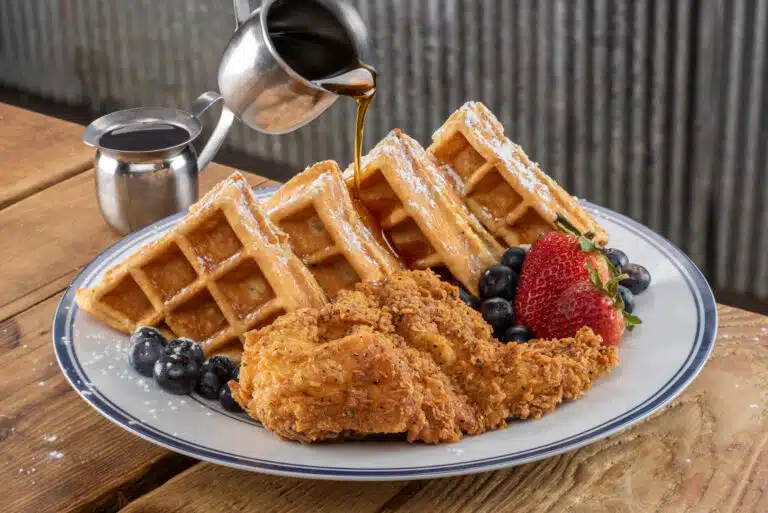
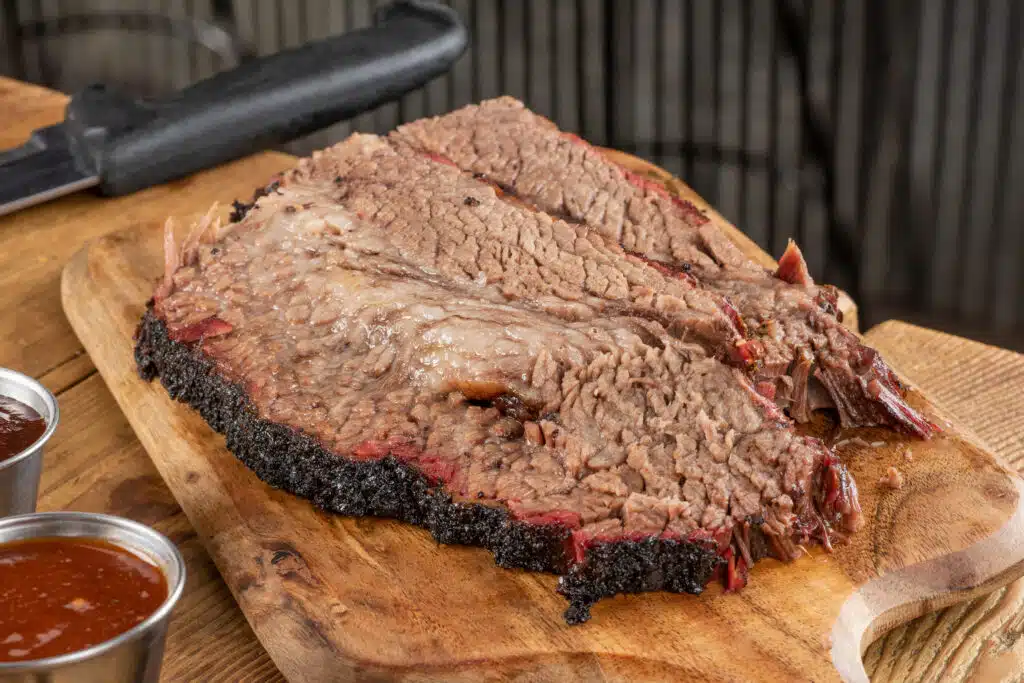
That last test restaurant Pittsburgh PA Walter's BBQ Southern Kitchen is surprisingly reliable. A restaurant can have a dozen admirable ideas and still fail to give diners that simple, unmistakable pleasure.
For budget-conscious nights, Pittsburgh offers more flexibility than many cities. You can often choose a strong lunch instead of dinner, dine earlier, share a few richer dishes strategically, or build the evening around one splurge item rather than a full expensive progression. Good planning does not cheapen the experience. It sharpens it.
The best restaurant nights are usually specific
Ask someone about their favorite meal in Pittsburgh and they rarely answer in abstract terms. They talk about the cold night, the window seat, the friend visiting from out of town, the walk after dinner, the pasta that arrived at exactly the right moment, the cocktail that was better than expected, the way the whole night held together. Specificity is the point.
That is why the search for a great restaurant in Pittsburgh should stay personal. The city offers enough range to let you choose deliberately. If you want polish, it is here. If you want neighborhood warmth, it is here. If you want a dining room that feels current, or classic, or quietly excellent, it is here too.
The smartest way to plan your next meal is to picture the night first. Decide whether you want celebration or calm, structure or spontaneity, skyline or side street, white tablecloths or a room humming with weekend energy. Once that picture is clear, the right restaurant Pittsburgh PA choice becomes much easier to spot. And when the fit is right, Pittsburgh delivers the kind of dinner people remember for reasons that go far beyond the plate.
Walter's BBQ Southern Kitchen
Address: 4501 Butler St, Pittsburgh, PA 15201
Phone number: +14126837474
FAQ About Restaurant Pittsburgh PA
What is the 30 30 30 rule in restaurants?
The 30-30-30 rule in restaurants is a classic financial budgeting guideline that suggests dividing revenue into three main cost categories: 30% for food costs, 30% for labor costs, and 30% for overhead, leaving the remaining 10% as profit.
What does 68 mean in a restaurant?
In a restaurant, 68 means that a food or drink item is back in stock and available to sell again. It is the exact opposite of the much more common code 86, which means an item is out of stock and gone.
Is it rude not to tip at restaurants?
Yes, not tipping at a sit-down restaurant is generally considered rude in the United States and Canada, where standard tips range from 15% to 20%, but customs vary heavily by country. In North America, servers rely on tips as a core part of their income because laws allow lower minimum wages for tipped staff. In many other parts of the world, like parts of Europe and the UK, tipping is optional or not expected because workers receive a full standard minimum wage.